This is a Preprint and has not been peer reviewed. This is version 1 of this Preprint.
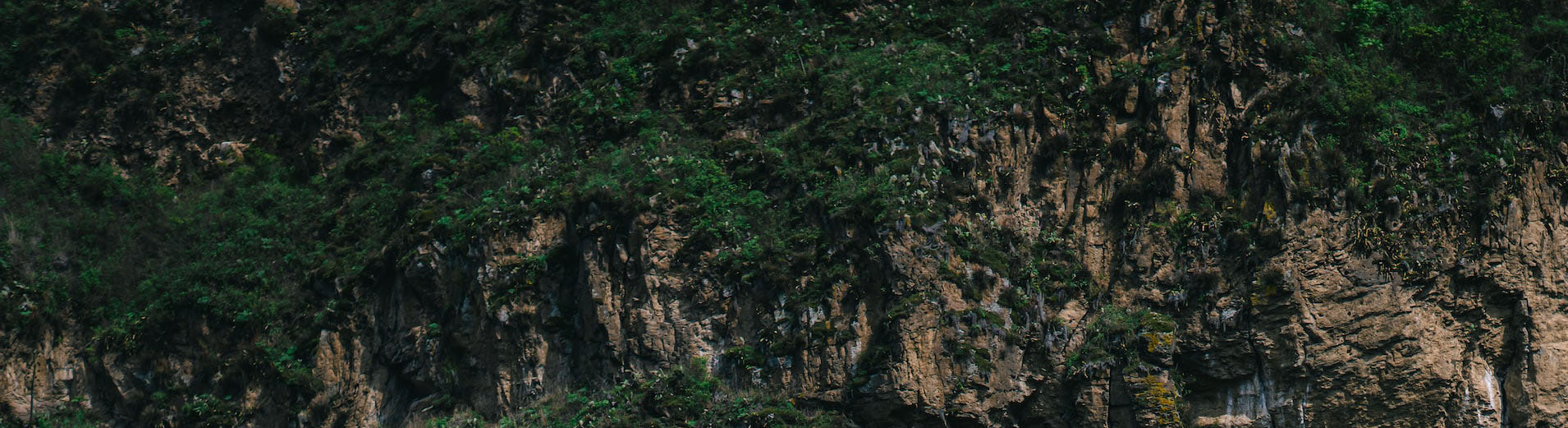
Abiotic constraints and recreational rock climbing shape cliff vegetation in Freyr, Belgium
Downloads
Supplementary Files
Authors
Sarane Coen  ,
Georgia R. Harrison,
Amre van den Maagdenberg,
Christophe Metsu,
Laura M. Bogges,
Francisco Velasquez-Espin,
Martí March-Salas,
Kobe Burdack,
Elias P. Goossens,
Koenraad Van Meerbeek ,
Jonas J. Lembrechts
,
Georgia R. Harrison,
Amre van den Maagdenberg,
Christophe Metsu,
Laura M. Bogges,
Francisco Velasquez-Espin,
Martí March-Salas,
Kobe Burdack,
Elias P. Goossens,
Koenraad Van Meerbeek ,
Jonas J. Lembrechts
Abstract
Aim: Cliff ecosystems support diverse vascular plant communities due to high abiotic heterogeneity and their historical role as climatic refugia. However, cliffs are increasingly exposed to disturbances from recreational rock climbing. The ecological effects of climbing likely depend on abiotic cliff characteristics—such as slope, aspect, and microtopography—but these context-dependent relationships have not been consistently evaluated. We investigated how climbing intensity and abiotic characteristics jointly influence plant diversity, community composition, and community-level functional tendencies in a local case study on limestone cliff faces.
Location: Freyr limestone cliffs, Belgium
Methods: Vegetation was surveyed in the Freyr climbing site in Belgium using a standardised protocol across 248 1-m² subplots distributed along 13 vertical transects spanning unclimbed, low-intensity, and high-intensity climbing routes. We quantified species richness, vegetation cover, Shannon diversity, community composition, and community-weighted means (CWMs) of Grime’s CSR strategies (competitive, stress-tolerant, and ruderal) to characterise community-level functional tendencies. We examined the effects of climbing intensity, and of abiotic factors such as slope, aspect, and microtopography using generalised linear mixed models, multivariate ordination and an indicator species analysis.
Results: A total of 103 vascular plant species were recorded. Abiotic factors influenced vegetation patterns more than climbing intensity. Species richness and vegetation cover were highest at moderate levels of microtopography, lower at steep slopes, and cover was reduced on south-facing cliffs. The effect of climbing intensity depended on microtopography: species richness peaked at low climbing intensity on cliffs with pronounced microtopography, consistent with the intermediate disturbance hypothesis. Functional and species composition shifted with climbing: competitive and stress-tolerant species were more abundant on unclimbed cliffs whereas ruderal species were more abundant on climbed cliffs. Unclimbed cliffs were also associated with threatened (red-listed) indicator species.
Conclusions: At Freyr, cliff vegetation was mainly structured by abiotic conditions, with climbing acting as a context-dependent disturbance that influenced community composition and functional tendencies rather than overall cover or richness. Cliffs with high microtopography under moderate climbing disturbance supported the highest diversity, while unclimbed cliffs harboured more stress-tolerant and red-listed species, indicating a potential loss of vulnerable vegetation under increasing climbing pressure. These site-specific findings underscore the need for multi-site studies and detailed analyses of abiotic factors to better understand and manage the ecological impacts of recreational climbing.
DOI
https://doi.org/10.32942/X2BM19
Subjects
Life Sciences
Keywords
Cliff ecology, rock climbing, disturbance, environmental filtering, Grime CSR, functional traits, Intermediate disturbance hypothesis, microclimate, rock climbing, disturbance, environmental filtering, Grime CSR, functional traits, intermediate disturbance hypothesis, microclimate
Dates
Published: 2026-03-06 05:55
Last Updated: 2026-03-06 05:55
License
CC BY Attribution 4.0 International
Additional Metadata
Conflict of interest statement:
The authors declare no conflict of interest.
Language:
English
There are no comments or no comments have been made public for this article.